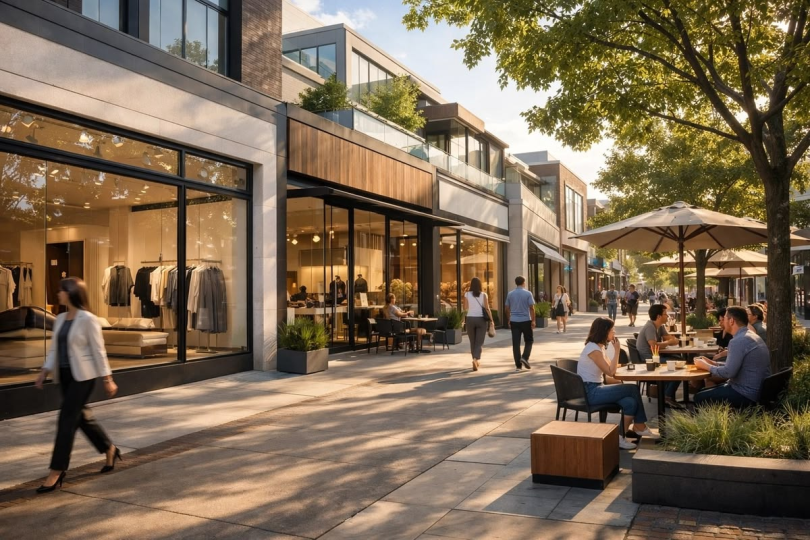

Finding the right Retail Space for Lease is one of the most important decisions for any business owner. Whether you’re opening a clothing boutique, coffee shop, grocery store, beauty salon, or franchise, your location directly impacts customer traffic, sales, and long-term success.
A well-located retail property can attract more customers, increase brand visibility, and improve profitability. On the other hand, choosing the wrong location can result in low foot traffic, high operating costs, and slower business growth.
In this guide, you’ll learn everything you need to know about leasing retail space, including costs, lease types, important features to consider, and expert tips for making the right decision.
What Is Retail Space for Lease?
Retail Space for Lease refers to commercial properties that landlords rent to businesses for selling products or services directly to customers. These properties are commonly found in:
- Shopping centers
- Strip malls
- Downtown business districts
- Mixed-use developments
- Standalone commercial buildings
- Lifestyle centers
Retail spaces come in different sizes and layouts depending on your business needs.
Why Choosing the Right Retail Location Matters
Location plays a critical role in business success. A great retail location offers:
- High customer visibility
- Consistent foot traffic
- Easy parking
- Strong local demographics
- Convenient public transportation
- Safe surroundings
Businesses located in high-demand retail areas often generate higher revenue than those in less accessible locations.
Types of Retail Spaces Available for Lease

1. Shopping Center Stores
Located inside retail plazas with multiple tenants.
Best for:
- Clothing stores
- Restaurants
- Electronics
- Pharmacies
Benefits:
- Shared customer traffic
- Ample parking
- Established shopping destinations
2. Strip Mall Retail Space
Strip malls are popular because they offer affordable rental rates and easy customer access.
Ideal for:
- Salons
- Coffee shops
- Convenience stores
- Pet stores
3. Standalone Retail Buildings
These buildings provide complete control over branding and operations.
Advantages include:
- Larger signage
- Dedicated parking
- Greater visibility
4. Downtown Retail Spaces
Located in city centers with high pedestrian traffic.
Perfect for:
- Restaurants
- Boutiques
- Cafes
- Specialty stores
How Much Does Retail Space Cost?
Retail lease prices depend on several factors:
- City
- Neighborhood
- Building condition
- Square footage
- Customer traffic
- Parking availability
Prime commercial districts typically charge higher rent than suburban locations.
Besides monthly rent, tenants should budget for:
- Security deposits
- Property maintenance
- Insurance
- Utilities
- Common Area Maintenance (CAM) fees
- Property taxes (depending on lease type)
Common Retail Lease Types
Understanding lease agreements helps avoid unexpected expenses.
Gross Lease
The landlord covers most property expenses.
Best for businesses wanting predictable monthly costs.
Net Lease
The tenant pays rent plus some additional expenses.
There are different types:
- Single Net (N)
- Double Net (NN)
- Triple Net (NNN)
Triple Net leases often require tenants to pay:
- Property taxes
- Insurance
- Maintenance costs
Percentage Lease
The tenant pays base rent plus a percentage of monthly sales.
Common in shopping malls.
Features to Look for in Retail Space
Before signing a lease, evaluate these important features.
Visibility
Customers should easily notice your storefront from the road or shopping area.
Parking
Adequate parking improves customer convenience.
Accessibility
Choose locations with:
- Public transportation
- ADA accessibility
- Wide entrances
Store Layout
Ensure the floor plan matches your business operations.
Utilities
Verify electrical capacity, internet availability, plumbing, HVAC systems, and security features.
Questions to Ask Before Leasing
Before committing to any Retail Space for Lease, ask:
- What is included in the rent?
- How long is the lease term?
- Are rent increases scheduled?
- Can the lease be renewed?
- Are renovations allowed?
- Who handles repairs?
- Are there exclusivity clauses?
These questions help prevent costly surprises later.
Benefits of Leasing Retail Space
Many businesses prefer leasing over purchasing commercial property.
Advantages include:
Lower Initial Investment
Leasing usually requires less capital than buying.
Business Flexibility
Businesses can relocate more easily as they grow.
Access to Prime Locations
Leasing allows startups to operate in desirable commercial districts without purchasing expensive real estate.
Maintenance Support
Many landlords handle structural maintenance.
Mistakes to Avoid
Many first-time business owners make costly leasing mistakes.
Avoid these common errors:
- Ignoring hidden fees
- Choosing the cheapest location
- Not researching customer demographics
- Signing without legal review
- Underestimating parking needs
- Overestimating future sales
- Leasing more space than necessary
Proper planning reduces financial risk.
Tips for Negotiating a Better Lease
Successful lease negotiations can save thousands of dollars.
Consider negotiating:
- Lower starting rent
- Free rent during renovations
- Tenant improvement allowances
- Longer renewal options
- Reduced security deposit
- Exclusive business rights
Professional legal advice can help secure better lease terms.
Who Should Lease Retail Space?
Retail leasing is suitable for many industries, including:
- Clothing stores
- Grocery stores
- Fitness centers
- Restaurants
- Bakeries
- Medical clinics
- Beauty salons
- Jewelry stores
- Electronics retailers
- Pet supply stores
Every business should choose a location that aligns with its target audience.
Final Thoughts
Finding the right Retail Space for Lease requires careful planning, market research, and financial analysis. While rental costs are important, factors such as visibility, accessibility, customer traffic, lease flexibility, and surrounding businesses often have a greater impact on long-term success.
Take time to compare multiple properties, understand lease agreements, and negotiate favorable terms before signing. A well-chosen retail location can help increase customer engagement, strengthen your brand, and support sustainable business growth for years to come.
Frequently Asked Questions (FAQs)
Is leasing retail space better than buying?
For many startups and growing businesses, leasing offers lower upfront costs, greater flexibility, and access to prime commercial locations.
What size retail space do I need?
The ideal size depends on your inventory, customer traffic, staffing needs, and future expansion plans.
What is included in retail rent?
It varies by lease agreement. Some leases include maintenance and taxes, while others require tenants to pay additional expenses.
Can I negotiate a retail lease?
Yes. Many landlords are open to negotiating rent, lease duration, renewal options, tenant improvements, and other terms.