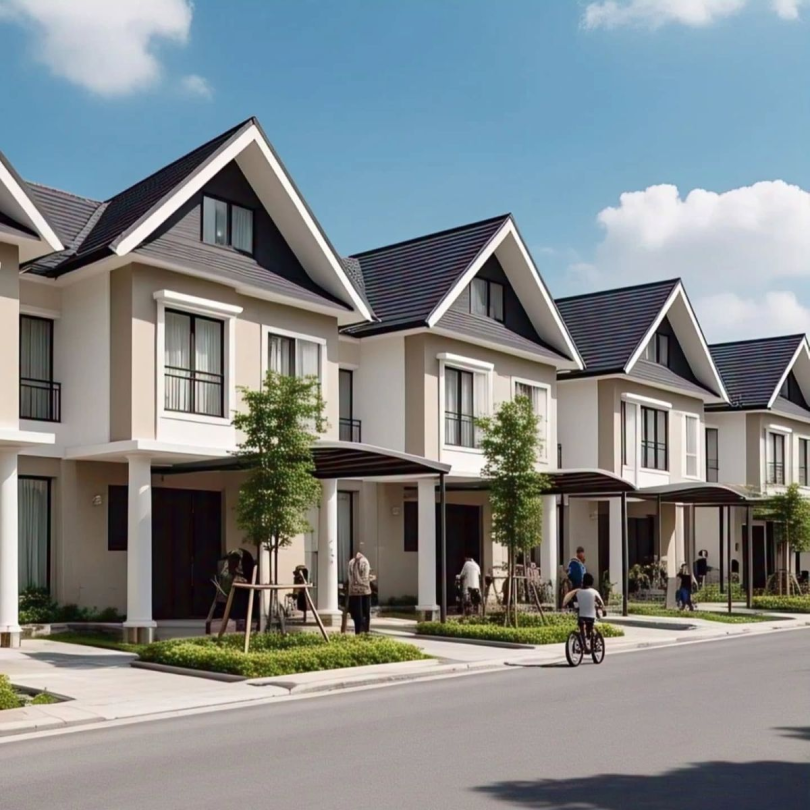

Finding a safe and comfortable place to live has become increasingly difficult due to rising property prices and rental costs. Affordable Housing has become one of the most important topics for families, first-time homebuyers, policymakers, and real estate investors. It aims to provide quality homes at prices that low- and middle-income households can realistically afford.
Whether you’re planning to buy your first home, rent an apartment, or simply understand how housing affordability impacts communities, this guide explains everything you need to know about Affordable Housing in 2026.
What Is Affordable Housing?
Affordable Housing refers to homes that cost no more than 30% of a household’s gross monthly income. This includes expenses such as rent or mortgage payments, utilities, property taxes, and insurance.
Affordable homes are designed to ensure that individuals and families can meet their housing needs without sacrificing other essential expenses like food, healthcare, transportation, and education.
These homes can include:
- Single-family homes
- Apartments
- Townhouses
- Condominiums
- Public housing
- Subsidized rental properties
- Workforce housing
Why Affordable Housing Matters
Access to Affordable Housing improves financial stability and overall quality of life. Without affordable options, families often struggle with high living expenses and reduced savings.
Major benefits include:
- Stable housing for families
- Better educational outcomes for children
- Reduced homelessness
- Improved physical and mental health
- Stronger local economies
- Increased workforce productivity
- Safer communities
Affordable homes also help businesses because employees can live closer to their workplaces, reducing commuting time and transportation costs.
Who Needs Affordable Housing?
Many people assume only low-income families need affordable homes, but housing affordability affects a much wider population.
Common groups include:
- First-time homebuyers
- Young professionals
- Essential workers
- Teachers
- Nurses
- Police officers
- Retirees
- Students
- Single parents
- People with disabilities
Even middle-income families may struggle to purchase homes in cities where real estate prices have increased rapidly.
Types of Affordable Housing

There are several forms of Affordable Housing available worldwide.
1. Public Housing
Government-owned properties offered at below-market rental rates.
2. Subsidized Housing
Government programs help reduce rent through financial assistance.
3. Workforce Housing
Homes developed specifically for middle-income workers such as teachers, healthcare professionals, and emergency responders.
4. Affordable Rental Housing
Private developers offer rental units at controlled prices through government incentives.
5. Shared Ownership Programs
Buyers purchase a percentage of the property while paying rent on the remaining share.
Key Benefits of Affordable Housing
Financial Security
Families spend less on housing and have more money available for savings and daily necessities.
Improved Health
Stable housing reduces stress and supports better physical and mental health.
Educational Success
Children living in stable homes often perform better in school because they experience fewer disruptions.
Economic Growth
Affordable homes allow workers to live near employment centers, supporting local businesses and economic development.
Reduced Homelessness
Increasing the supply of affordable homes directly helps reduce housing insecurity.
Challenges Facing Affordable Housing
Despite its importance, many countries continue to face housing shortages.
Rising Construction Costs
Building materials and labor costs have increased significantly over the past few years.
Limited Land Availability
Urban areas often lack enough land for new residential developments.
Population Growth
Growing populations increase housing demand faster than new homes can be built.
High Interest Rates
Higher mortgage rates reduce purchasing power for many buyers.
Regulatory Barriers
Complex zoning laws and lengthy approval processes can delay housing projects.
Government Affordable Housing Programs
Many governments support Affordable Housing through various initiatives.
Common programs include:
- Down payment assistance
- Low-interest home loans
- Housing vouchers
- Tax credits for developers
- First-time homebuyer grants
- Rent assistance programs
- Public housing developments
These programs help increase housing accessibility for eligible households.
Affordable Housing and Sustainability
Modern Affordable Housing projects increasingly focus on environmental sustainability.
Features often include:
- Energy-efficient appliances
- Solar panels
- LED lighting
- Water-saving fixtures
- Green building materials
- Better insulation
- Smart home technology
Sustainable homes lower monthly utility bills while reducing environmental impact.
How Technology Is Improving Affordable Housing
Technology is transforming how affordable homes are designed and constructed.
Examples include:
Modular Construction
Homes are built in factories and assembled on-site, reducing construction time and costs.
3D Printed Homes
New printing technologies make housing construction faster and more affordable.
Smart Home Features
Affordable properties now include smart thermostats, energy monitoring systems, and improved security features.
Digital Mortgage Applications
Online platforms simplify the financing process for homebuyers.
Tips for Finding Affordable Housing
If you’re searching for an affordable home, consider these practical strategies.
Research Government Assistance
Many local and national programs provide financial support.
Improve Your Credit Score
A higher credit score often leads to better mortgage terms.
Compare Mortgage Lenders
Different lenders offer varying interest rates and loan products.
Consider Emerging Neighborhoods
Developing areas often provide better housing value.
Work with Local Housing Authorities
Housing agencies can guide applicants through available programs.
Save for a Down Payment
Larger down payments reduce monthly mortgage costs.
The Future of Affordable Housing
Housing affordability will remain a major priority in 2026 and beyond.
Future trends include:
- Smart city developments
- Green affordable communities
- Increased public-private partnerships
- Digital housing platforms
- Faster modular construction
- AI-assisted urban planning
- Expanded first-time buyer assistance
Governments, developers, and nonprofit organizations continue working together to address housing shortages and improve affordability.
Common Myths About Affordable Housing
Myth 1: Affordable housing lowers property values.
Research often shows well-managed affordable developments do not negatively affect nearby property values.
Myth 2: Only unemployed people qualify.
Many working professionals qualify based on local income guidelines.
Myth 3: Affordable housing is poor quality.
Modern developments frequently meet high construction, safety, and sustainability standards.
Conclusion
Affordable Housing plays a vital role in creating stable families, stronger communities, and healthier economies. As property prices continue to rise, expanding access to affordable homes becomes increasingly important for individuals across all income levels.
Whether you’re a first-time buyer, renter, policymaker, or investor, understanding Affordable Housing helps you make informed decisions and take advantage of available opportunities. With continued innovation, supportive government programs, and sustainable construction practices, affordable housing will remain one of the most important pillars of the real estate industry in 2026.