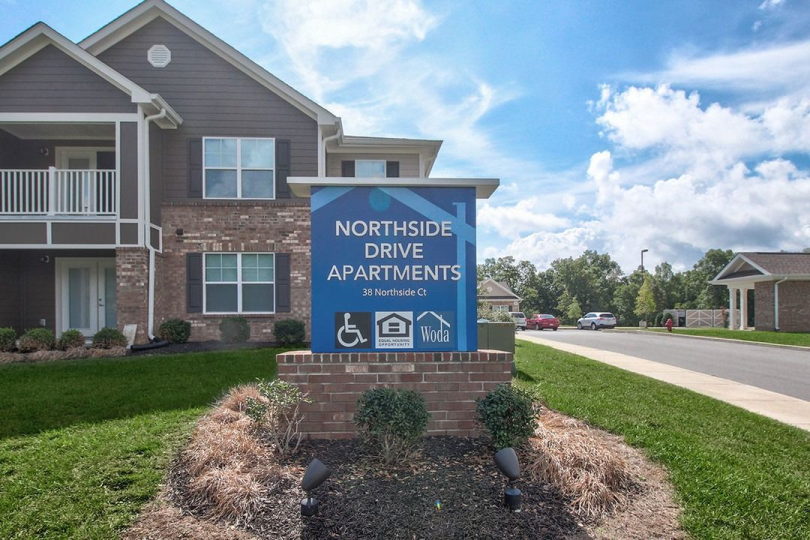

Buying an apartment is one of the most important financial decisions you will ever make. Whether you are purchasing your first home, upgrading to a larger property, or investing in real estate, searching for Apartments for Sale requires careful planning and research. With thousands of listings available online and offline, finding the perfect apartment can seem overwhelming.
The good news is that understanding your budget, preferred location, amenities, and legal requirements can simplify the process. This guide explains everything you need to know about choosing the right apartment while avoiding common mistakes.
Why Buying an Apartment Is a Smart Investment
Real estate has consistently remained one of the safest long-term investments. Purchasing Apartments for Sale offers several benefits, including:
- Building long-term wealth
- Monthly rental income opportunities
- Property value appreciation
- Better financial security
- Modern lifestyle with premium amenities
Unlike renting, owning an apartment gives you complete control over your living space and helps build equity over time.
Types of Apartments for Sale
Understanding different apartment types can help narrow your search.
Studio Apartments
Studio apartments combine the bedroom, kitchen, and living room into one open space. They are ideal for students, singles, and young professionals.
Benefits
- Affordable pricing
- Low maintenance
- Lower utility bills
One-Bedroom Apartments
Perfect for individuals or couples looking for more privacy.
Advantages include:
- Separate bedroom
- Better storage
- Comfortable living space
Two and Three-Bedroom Apartments
Families often prefer larger apartments because they provide additional bedrooms and living areas.
Benefits include:
- More privacy
- Extra storage
- Better resale value
- Suitable for growing families
Luxury Apartments
Luxury Apartments for Sale offer premium facilities such as:
- Swimming pools
- Fitness centers
- Smart home technology
- Concierge services
- Covered parking
- Rooftop gardens
Although they cost more, they often provide better long-term appreciation.
Important Factors to Consider Before Buying

1. Budget
Always determine your budget before viewing properties.
Remember to include:
- Purchase price
- Registration fees
- Property taxes
- Maintenance charges
- Loan processing fees
- Interior costs
Having a clear budget prevents overspending.
2. Location
Location significantly impacts both lifestyle and property value.
Choose apartments near:
- Schools
- Hospitals
- Shopping malls
- Public transportation
- Business districts
- Parks
Prime locations usually appreciate faster than developing areas.
3. Apartment Size
Think about your future needs.
Ask yourself:
- How many bedrooms do you need?
- Will your family grow?
- Do you work from home?
- Do you need extra storage?
Buying slightly larger than your current needs may save money later.
4. Amenities
Modern apartment communities often include:
- Security systems
- CCTV surveillance
- Elevators
- Gym
- Children’s playground
- Community hall
- Parking
- Backup electricity
Compare amenities before making your final decision.
5. Builder Reputation
Always research the developer before purchasing Apartments for Sale.
Look for:
- Completed projects
- Customer reviews
- Construction quality
- Delivery timeline
- Legal approvals
A trusted developer reduces future risks.
How to Find the Best Apartments for Sale
Finding quality apartments requires research.
Some effective methods include:
Online Property Portals
Browse listings, compare prices, and view property photos.
Real Estate Agents
Experienced agents understand local markets and can negotiate better prices.
Social Media
Many developers advertise new projects on social media platforms.
Local Newspaper Listings
Some exclusive listings appear in newspapers before reaching online platforms.
Questions to Ask Before Buying
Before signing any agreement, ask the seller:
- Is the apartment legally approved?
- Are there any pending loans?
- What are the maintenance charges?
- Is parking included?
- Are utility connections available?
- What is the resale history?
These questions can prevent expensive surprises later.
Benefits of Buying a New Apartment
Many buyers prefer newly constructed apartments because they offer:
- Modern architecture
- Energy-efficient systems
- Better security
- New plumbing
- Smart home features
- Lower maintenance costs
New apartments also typically include warranties on construction and fixtures.
Should You Buy Ready-to-Move or Under-Construction Apartments?
Both options have advantages.
Ready-to-Move Apartments
Pros
- Immediate possession
- No construction delays
- What you see is what you get
Cons
- Higher price
- Limited customization
Under-Construction Apartments
Pros
- Lower purchase price
- Flexible payment plans
- Potential appreciation before completion
Cons
- Delivery delays
- Construction risks
Choose according to your financial goals.
Common Mistakes Buyers Should Avoid
Many first-time buyers make avoidable mistakes.
Avoid these common errors:
- Ignoring legal verification
- Choosing only based on price
- Not checking neighborhood safety
- Forgetting maintenance costs
- Skipping property inspection
- Overstretching your budget
A careful evaluation saves money in the long run.
Financing Your Apartment Purchase
Many buyers use home loans.
Before applying:
- Compare interest rates
- Check loan eligibility
- Improve your credit score
- Save for the down payment
- Understand EMI obligations
A lower interest rate can save thousands over the life of your loan.
Future Value of Apartments
Property appreciation depends on factors such as:
- Infrastructure development
- Transportation projects
- Population growth
- Commercial expansion
- School and hospital availability
Apartments in rapidly developing neighborhoods often experience stronger long-term value growth.
Tips for First-Time Apartment Buyers
If this is your first property purchase, follow these recommendations:
- Research multiple neighborhoods.
- Visit apartments in person.
- Compare at least five properties.
- Review legal documents carefully.
- Hire a professional property inspector.
- Negotiate the final price.
- Calculate all ownership costs.
- Think about long-term resale value.
Following these steps can make your buying experience smoother and more rewarding.
Why Now Is a Good Time to Explore Apartments for Sale
Growing urban populations and ongoing infrastructure development continue to create demand for quality housing. Whether you are looking for a family home or an investment property, exploring Apartments for Sale today gives you access to a wide range of options, competitive pricing, and modern amenities.
With proper planning and thorough research, you can find an apartment that fits your lifestyle and financial goals while offering excellent long-term value.
Conclusion
Finding the right Apartments for Sale is about more than choosing an attractive property. It involves evaluating your budget, selecting the ideal location, verifying legal documents, comparing amenities, and considering future appreciation. Taking the time to research and inspect multiple options can help you make a confident and informed decision.
Whether you are a first-time buyer, an investor, or upgrading to a larger home, a well-chosen can provide comfort, financial stability, and lasting value for years to come. By following the tips outlined in this guide, you’ll be better prepared to find a property that meets your needs and supports your long-term goals.